Newsletter Subscribe
Enter your email address below and subscribe to our newsletter

Five weeks away. Ten teams with upgrades. One session to understand all of it. Ferrari used theirs better than anyone.
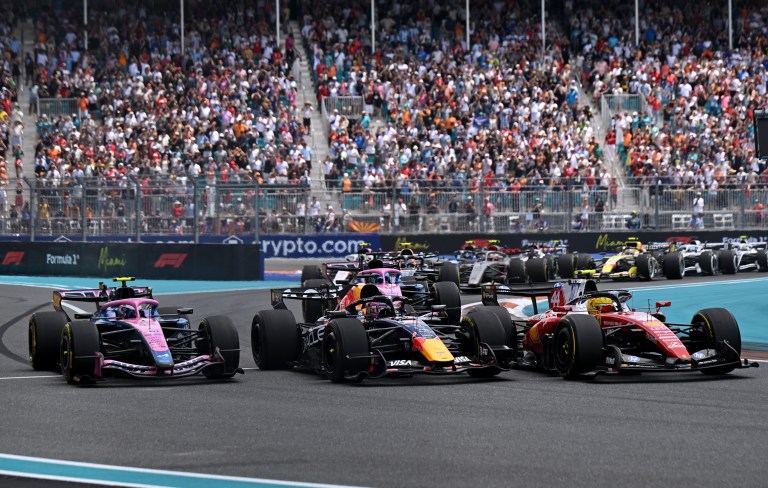
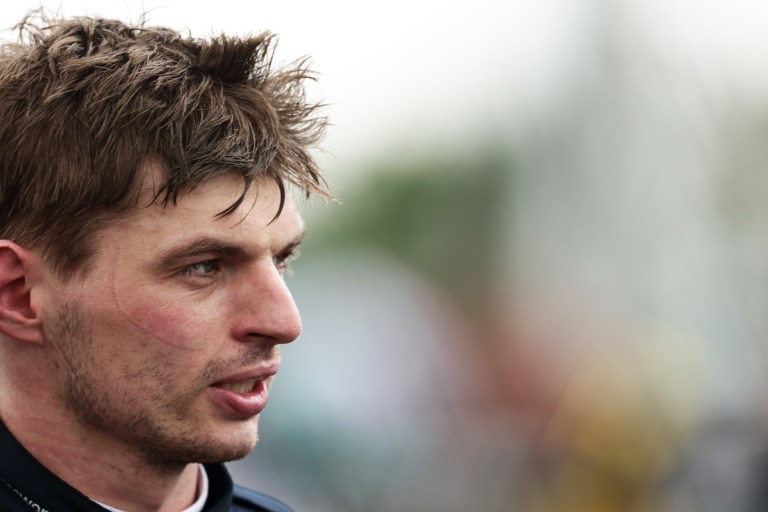
Charles Leclerc topped a chaotic and information-dense Free Practice 1 at the Miami International Autodrome, setting the benchmark for the 2026 season’s return from its extended April break with a lap of 1m 29.310s that held through the final qualifying simulations. Behind him, Max Verstappen jumped to second in the closing seconds of the session, 0.164s adrift, while Oscar Piastri completed the top three for McLaren.
The session carried weight that a standard Friday practice rarely does. Miami is a sprint weekend, meaning this 90-minute FP1 (extended from the usual 60 minutes specifically to accommodate the new mid-season regulatory changes and the volume of upgrade packages across the paddock) was the only practice time any team or driver will have before sprint qualifying later today. Every lap counted. Every data point mattered.
Ten of the eleven teams arrived in Florida with declared aerodynamic upgrades. The exception was Aston Martin, still focused entirely on resolving the reliability and vibration issues that have defined its opening to the season. For everyone else, Miami represented the first opportunity to understand how heavily revised cars interact with the new energy regulations, new tyre compounds and the specific demands of the Miami International Autodrome.
Ferrari’s upgrade package centred on an updated version of their “flip-flop” rear wing (a design that adjusts its aerodynamic profile depending on speed, managing drag on the straights while maintaining downforce through the corners) alongside revised front wing elements. The result was a car that looked immediately competitive from the first long runs and backed that impression up when the soft tyre simulations began.
Red Bull debuted its own “Macarena” rear wing concept (an active aerodynamic element inspired by Ferrari’s original design that articulates to vary the car’s drag profile across different sections of the lap) as part of a comprehensive Miami upgrade package that also included revised sidepods featuring a return to an angular upper surface. The RB22 has been a source of frustration for both Verstappen and Hadjar in the opening rounds, and the scope of changes at this race reflects the urgency with which Red Bull is pursuing performance.
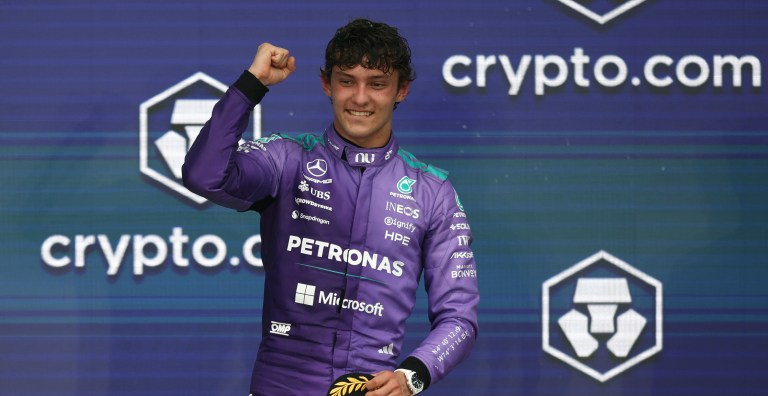
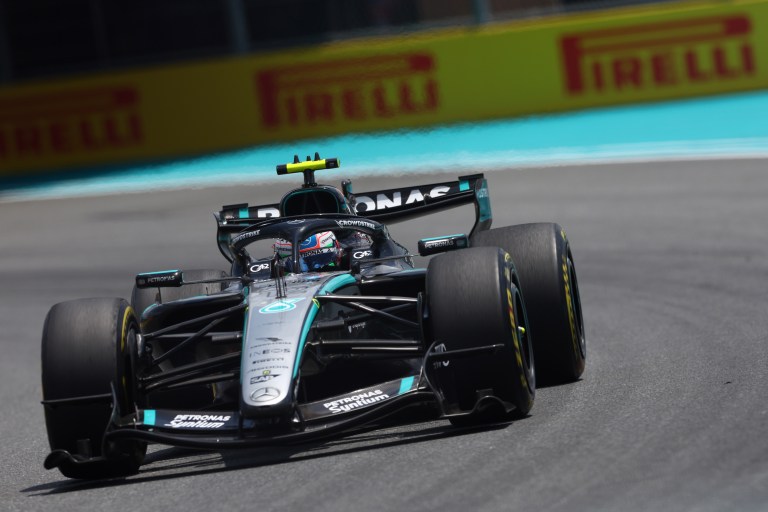
Mercedes arrived with what the paddock expected to be a competitive package, and Kimi Antonelli led the timesheets at the halfway point of the session with a 1m 30.079s on hard tyres. But the final phase of the session brought unwelcome news. A power unit issue prevented Antonelli from completing his soft tyre qualifying simulation, leaving him without a representative performance lap. Lewis Hamilton wound up fourth, while George Russell endured a difficult session that included a significant double lock-up flat-spotting both front tyres early in the running. Russell indicated to his engineers that his turbocharger sounded unusual, adding another element of concern heading into the afternoon.
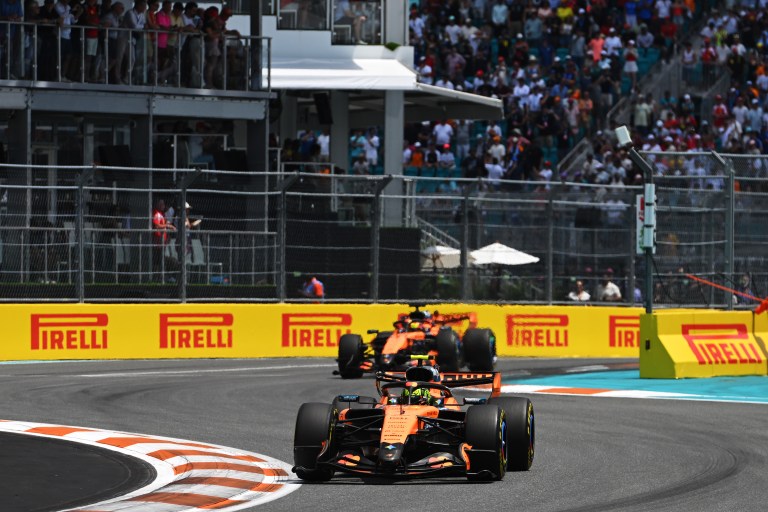
Lando Norris was on course for a strong lap in the qualifying simulation phase when he encountered Alex Albon’s Williams at the final hairpin, forcing him wide and terminating his best attempt. The reigning World Champion finished seventh as a result, with Pierre Gasly, Isack Hadjar and Carlos Sainz rounding out the top ten.
Aston Martin endured yet another compromised session. A power issue in the garage cost both Alonso and Stroll approximately 20 minutes of running at the start of the session. When they did get on track, their soft tyre times came in approximately three seconds off the pace, with the AMR26 still clearly in a different performance category from the rest of the field. Honda’s hardware countermeasures are on the car. Whether they have moved the needle meaningfully will become clearer in sprint qualifying.
The Cadillac outfit brought its own aerodynamic updates to its first home race, with Pérez and Bottas running medium tyres in the early phase to build understanding around the revised package. Both drivers ended the session at the back of the classification, but the data gathered on home soil will be the more relevant metric for a team still in the process of developing its first Formula 1 car.
With sprint qualifying scheduled for later today, the competitive picture will sharpen considerably. What Friday morning confirmed is that Ferrari has arrived in Miami with purpose, Mercedes has questions to answer, and Red Bull is chasing hard. The 2026 season is back. And from the very first session, it has made clear it intends to be interesting.
Thumbnail: By courtesy of Pirelli