Newsletter Subscribe
Enter your email address below and subscribe to our newsletter

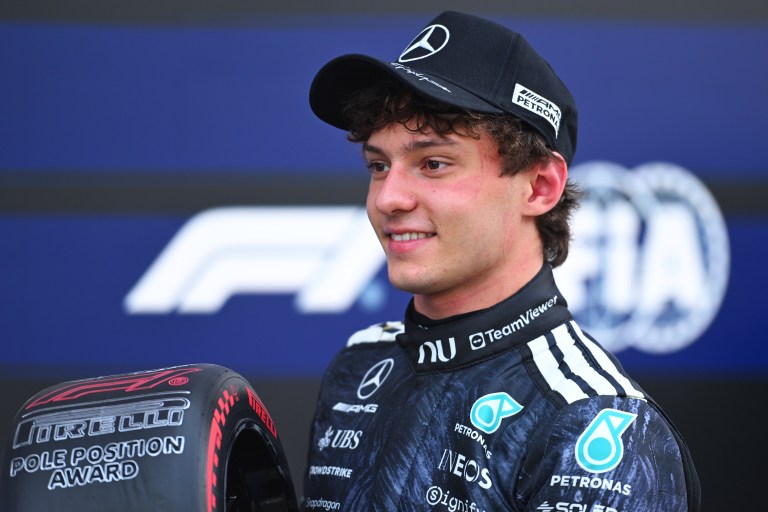
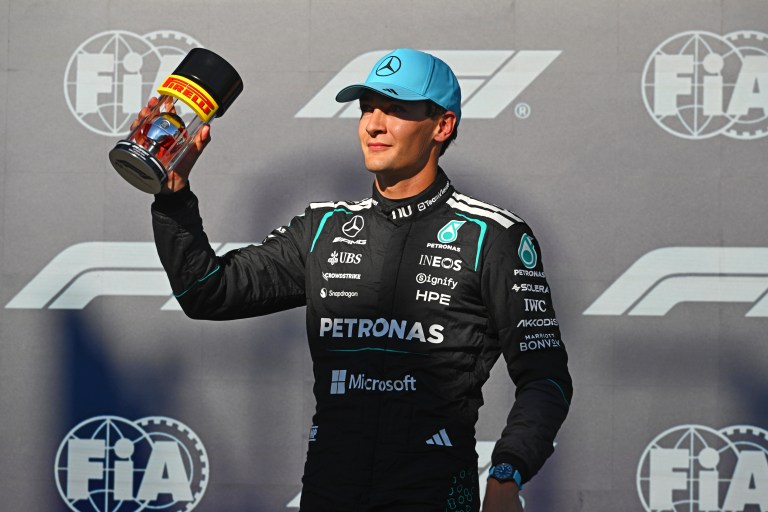
Four races into the 2026 season, the most consequential dynamic in Formula 1 is unfolding inside the same garage. Kimi Antonelli leads the drivers’ championship by 20 points over George Russell, his own Mercedes teammate, and the question that defined the sport’s most turbulent recent era is back on the table: what happens when a team’s two drivers genuinely want to beat each other?
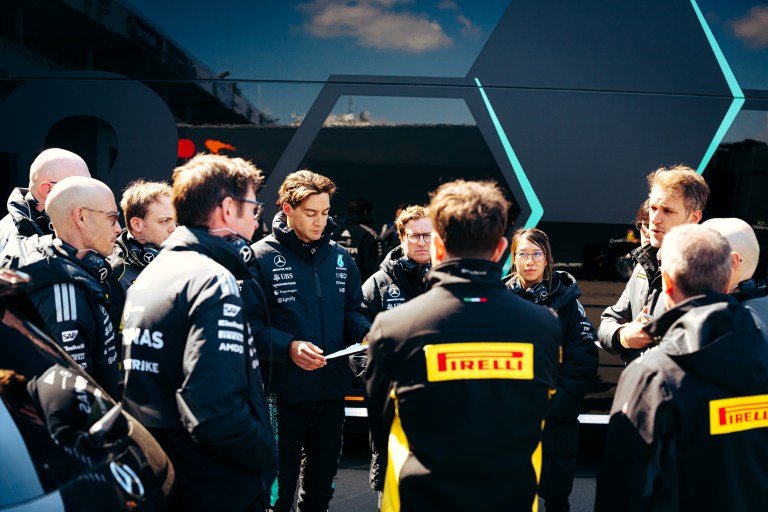
Sky Sports analyst and former W Series driver Naomi Schiff addressed that question directly on the Up To Speed podcast, and her reading of Toto Wolff carries weight. The Mercedes team principal, Schiff argued, is not a man either driver should mistake for a passive observer. “As lovely and as charming as Toto comes across, he doesn’t really give me the feeling that he’s someone that you want to cross,” she said. “He’s going to be very, very clear with his drivers.”
The reference point Wolff himself has drawn on is 2016, the year the Hamilton-Rosberg rivalry consumed Mercedes from within and ended with a world title decided by the bitterest possible margin. Wolff has already signalled publicly that the lessons of that period are not forgotten. The message delivered to both drivers, according to Schiff, is unambiguous: no one in that car is bigger than the team.
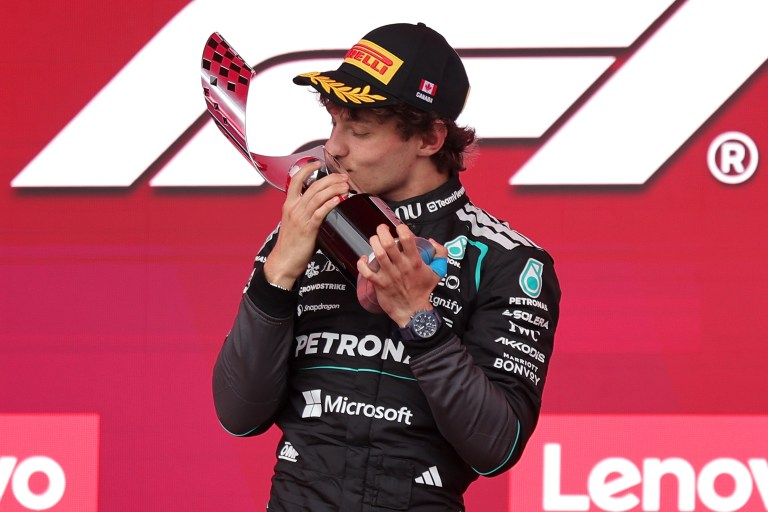
The arithmetic currently favours Antonelli. The 19-year-old Italian has won three of the four grands prix contested so far, taking China, Japan and Miami after Russell opened the year with victory in Australia. That sequence has transformed what many expected to be a season of careful mentorship into something considerably more charged. Antonelli is not being managed through his rookie campaign; he is leading it.
That shift creates asymmetric pressure. Schiff identified the positions both drivers now occupy with clarity. “He knows he’s got to keep Toto on side,” she said of Antonelli, noting that a driver leading the championship at 19 has every incentive to demonstrate he can be trusted with team interests as well as personal ambition. The calculation for Russell is more complicated. “There is this potential pressure around his seat,” Schiff observed. “Does he play the game? Because he knows that gives him more of a chance to maintain it should Max Verstappen become available. Or does that little selfish driver characteristic come out and say, this is my one and only chance to win the world championship, so do I just go for it?”
The Verstappen dimension is not incidental. The Red Bull driver has endured a difficult start to the season and his future beyond his current contract carries question marks that were not there a year ago. Whether or not there is substance to any link with Mercedes, the possibility sits in the background of every conversation about Russell’s position at the team.
What Schiff’s assessment captures is the structural tension that builds inside any team whose two drivers are both genuinely fast and both genuinely motivated to win. Mercedes managed it before, and it ended in public acrimony. Wolff has made clear he intends to manage it differently this time. The drivers, for their part, will have to decide whether they believe him, and whether that belief changes how they race.
The Canadian Grand Prix is next. Antonelli arrives as championship leader. Russell arrives as the man who knows what losing this opportunity would mean. And Wolff arrives as the man neither of them, by all accounts, wants to find out about the hard way.
Thumbnail credits: © Cristiano Barni | Dreamstime.com