Newsletter Subscribe
Enter your email address below and subscribe to our newsletter

A single hour of running, three red flags and a groundhog were not enough to hide what Mercedes had arrived in Montreal carrying. The new parts looked immediately at home.
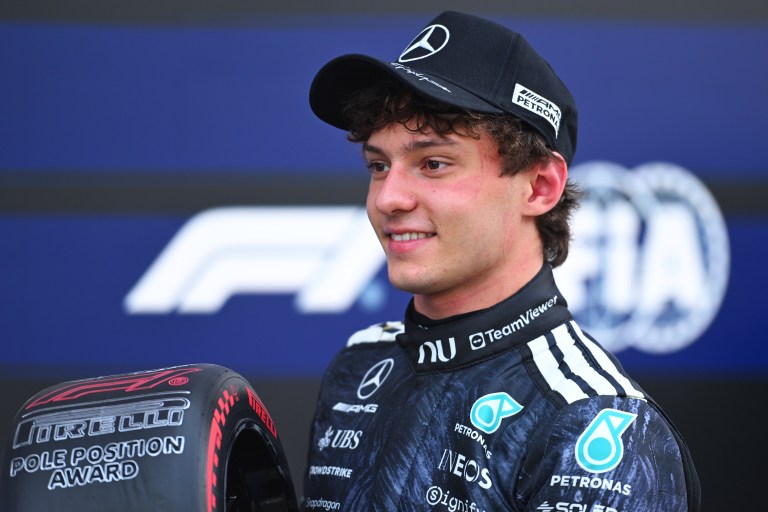
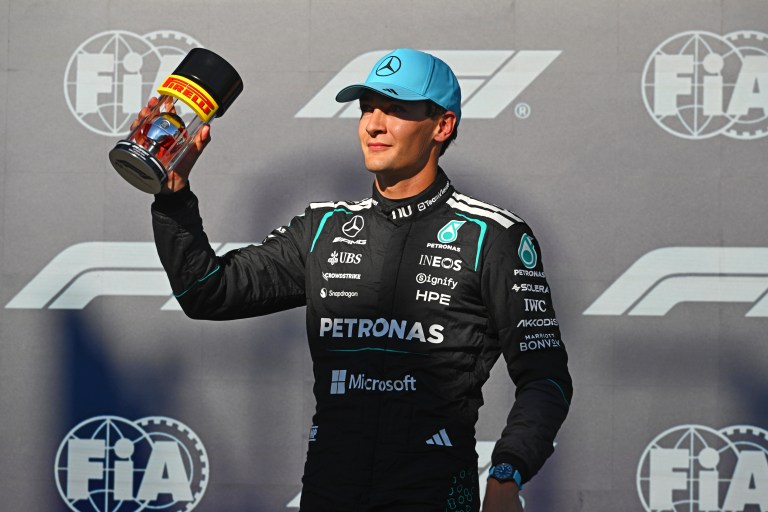
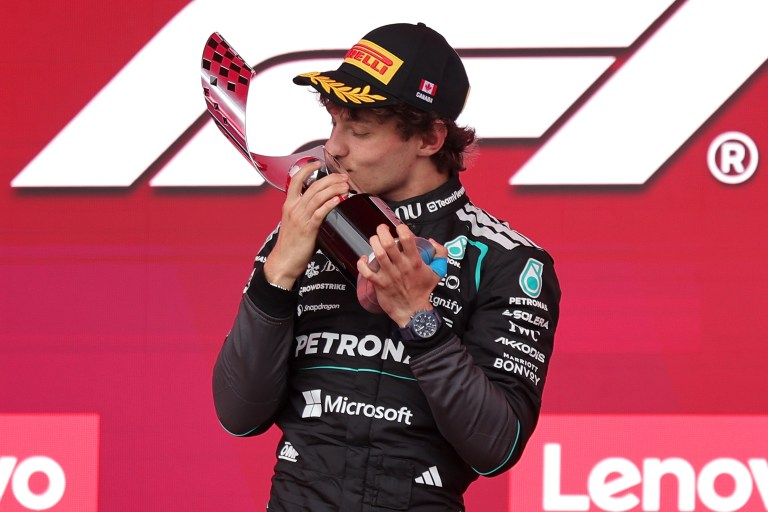
Kimi Antonelli headed a Mercedes one-two in the only practice session of the Canadian Grand Prix weekend, setting the fastest time as the team’s first major upgrade package of the 2026 season made its track debut. The championship leader set his best lap early on a soft tyre run, while teammate George Russell ended up around half a second adrift after an error compromised his first effort, forcing him to run again to close the gap. For a team that has not been beaten in a Grand Prix all season, the early signs from the upgraded car were exactly what Toto Wolff would have wanted before committing to a Sprint format with no further practice to fall back on.
The session was, by any measure, chaotic. FP1 was interrupted by three separate red flag periods. The first came when Liam Lawson’s Racing Bulls stopped on track with an apparent hydraulic problem. The second followed one of the more unusual incidents of the season, Alex Albon striking a groundhog with his Williams, causing significant damage to the car. The third arrived when Esteban Ocon lost his front wing in a bizarre collision with the wall. Franco Colapinto, meanwhile, was unable to set a representative lap after a reliability problem in the opening stages required an engine change on his car.
Behind the dominant Mercedes pair, Ferrari quietly went about its business with Lewis Hamilton third and Charles Leclerc fourth. There was a layer of history in Hamilton’s running, the seven-time champion lapping competitively at the scene of his maiden Grand Prix victory back in 2007. Max Verstappen was fifth fastest for Red Bull but far from comfortable, reporting numerous complaints about heavy steering and unpredictable snaps from the rear of the car. He nonetheless finished the session ahead of both McLaren drivers, a result that flattered Red Bull relative to what would follow later in the day.
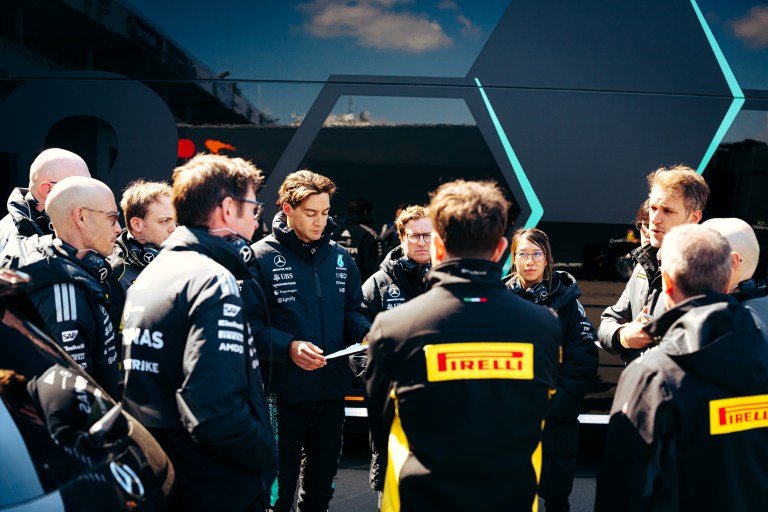
The disruption mattered more than usual because of the format. Montreal is hosting a Sprint weekend for the first time in its history, which compresses the entire weekend into a single practice session before the running order is effectively locked in by Sprint Qualifying. Teams had only this hour to validate setup directions, evaluate new components and build tyre understanding before the stakes rose. For Mercedes, introducing a significant upgrade under those conditions was a calculated risk. The early lap times suggested the gamble had paid off.
Russell’s session contained one warning. He spun out of Turn 1 late in the hour but managed to scrub enough speed to merely kiss the barriers, emerging with an undamaged car and a reminder of how little margin Circuit Gilles Villeneuve offers. The 4.361-kilometre layout, with its long straights, heavy braking zones and unforgiving walls, punishes the smallest error severely. Russell will have been relieved to escape that moment without consequence.
What the hour confirmed was the competitive picture entering the most important part of Friday. Mercedes looked clear of the field. Ferrari looked like the closest challenger on single-lap pace. McLaren and Red Bull had work to do. And with no second practice session to refine anything, every team carried its FP1 conclusions directly into a Sprint Qualifying session that would set the grid for Saturday’s race. The upgrade had landed. The question was whether it would hold up when it counted.
Thumbnail: By courtesy of Pirelli