
Newsletter Subscribe
Enter your email address below and subscribe to our newsletter
A Verstappen podium in Canada should have given Red Bull something to celebrate. Instead, the reporting around the team has intensified, and the clock running on their most important contract has not stopped.
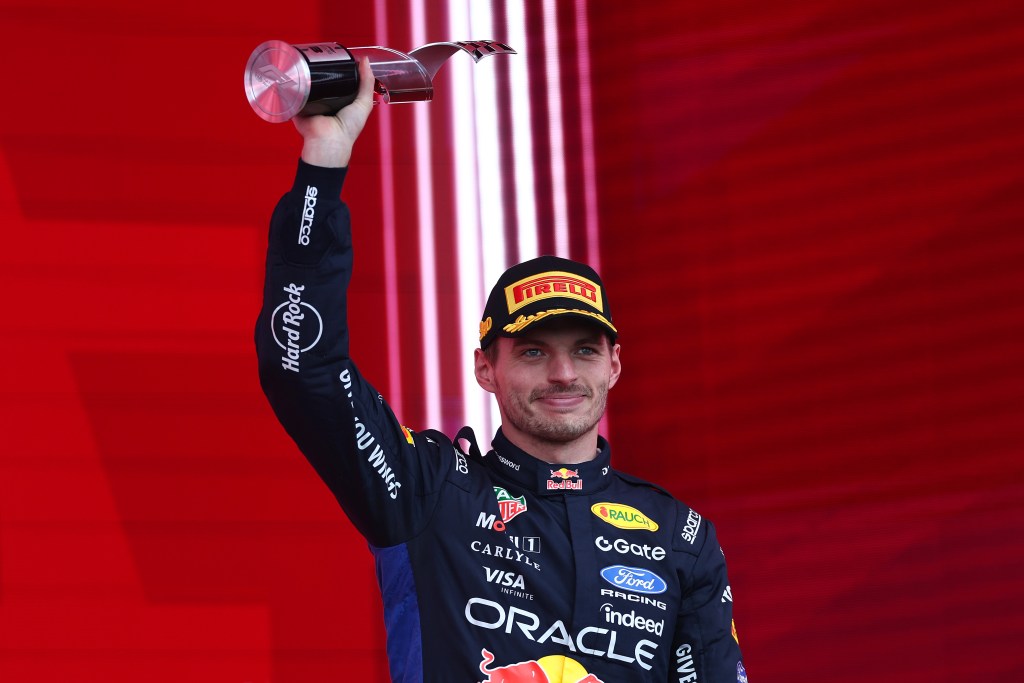
Fresh reports of internal tension at Red Bull have re-emerged in the days following the Canadian Grand Prix, even as Max Verstappen claimed his first podium of the 2026 season at Circuit Gilles Villeneuve. The third-place finish, his strongest result of a difficult campaign, did not arrive with the kind of unified celebration that has historically defined Red Bull’s response to milestones. Instead, the team’s most prominent driver returned to the paddock and publicly described stepping back into a Formula 1 car as “not very nice” compared to the “pure racing” he experienced at his Nürburgring 24 Hours debut a week earlier.
The tension is structural rather than personal, and it predates Canada. Verstappen’s Red Bull contract contains a performance-linked release clause that opens in August and closes in October, a window that has hung over every conversation about the team’s future since the season began. The Dutchman currently sits seventh in the Drivers’ Championship, 54 points off the top two, and the RB22 has shown improvement at certain circuits without producing the consistent front-running performance that defined the team’s previous generation of cars. The threshold the clause requires has not been met, and there is no current indication it will be by the summer break.
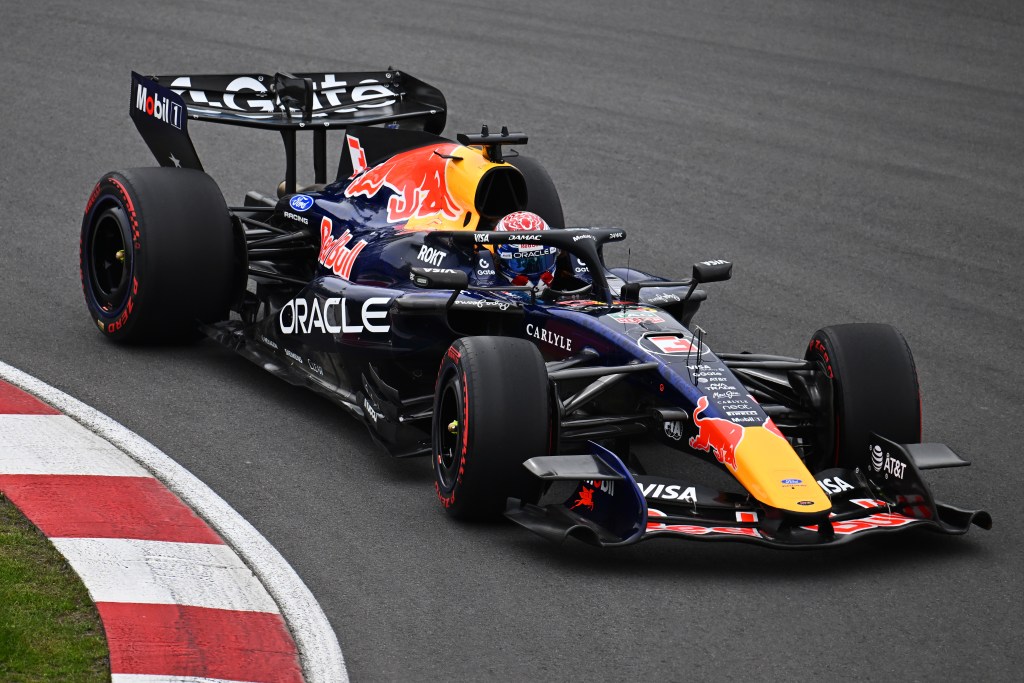
The peripheral pressures have multiplied. McLaren CEO Zak Brown sent a six-page letter earlier this month to FIA president Mohammed Ben Sulayem demanding the governing body legislate against multi-team ownership, citing Red Bull’s structural relationship with Racing Bulls as the central case study. Ben Sulayem has confirmed the FIA is now investigating the issue and has publicly stated that owning two teams is “not the right way.” The investigation is ongoing. Whatever it produces, the conversation it has reopened around Red Bull’s organisational structure has not gone quiet.
The Horner dimension adds a further variable. Christian Horner’s non-compete clause expired on May 8, freeing the former Red Bull team principal to return to Formula 1 in any role at any rival team. Ben Sulayem has publicly endorsed his return, calling Horner someone the sport “needs back.” Reports continue to link Horner to a consortium pursuing Otro Capital’s 24 percent stake in Alpine, and his presence in the market as a potential senior executive at a rival team adds yet another layer to the questions Red Bull has been asked to answer privately and publicly.

What Red Bull have not done is respond to the cumulative picture in a way that has steadied the conversation. Laurent Mekies, promoted from Racing Bulls to team principal of Red Bull Racing in the aftermath of Horner’s exit last July, has spoken publicly about his focus on extracting more from the car and giving Verstappen the platform he needs. The performance gains have arrived in flashes rather than as a sustained trajectory. Red Bull engineers continue to push development of the 2026 car, but the gap to Mercedes and McLaren remains the headline number on the timing sheets.
The convergence of pressures, on the car, on the structure, on the leadership, on the central driver, makes Red Bull’s position more delicate than the Canadian podium suggests. Verstappen’s words after the race did not contradict his post-Nürburgring assessment. “It was a positive result,” he said of the podium, “but I’m not getting carried away. The car is still not where we need it to be.” That is the assessment of a four-time world champion who is, by his own description, more satisfied driving a GT3 car than a Formula 1 car at this moment in his career. The clause window opens in roughly ten weeks. Red Bull’s silence on the broader picture is, increasingly, the loudest thing about it.
Thumbnail: Getty Images / Red Bull Content Pool


