
Newsletter Subscribe
Enter your email address below and subscribe to our newsletter

Max Verstappen never completed a racing lap in Monaco, his engine dead before the field reached the first corner. Red Bull now says it has found the cause, and that the failed power unit was scheduled for replacement anyway.
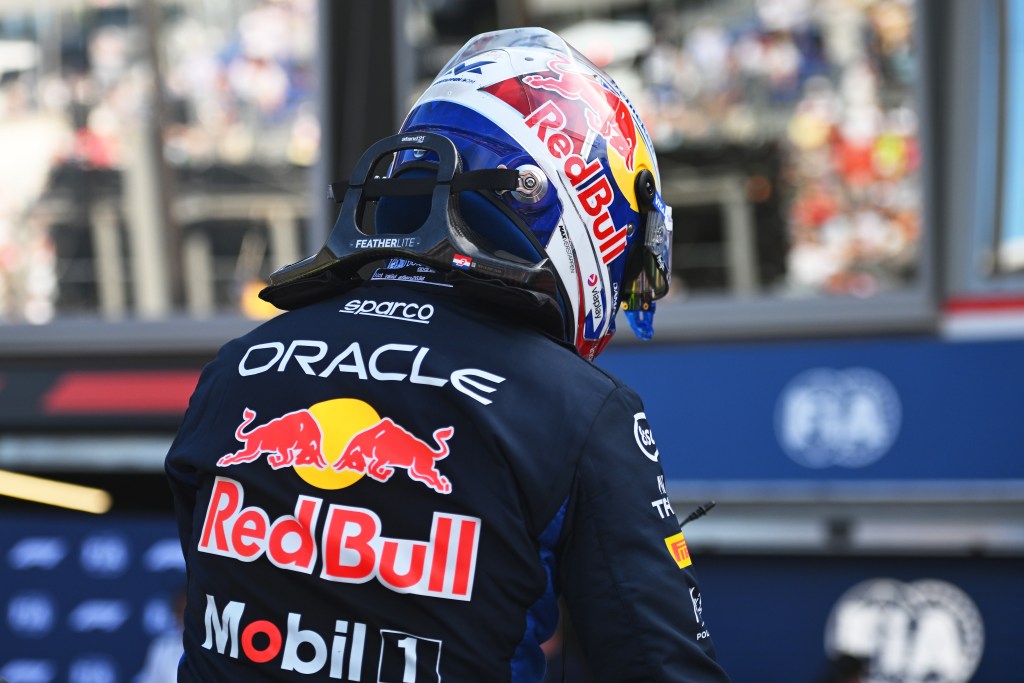
The retirement was as quiet as it was costly. Verstappen sensed anomalies on the formation lap, then struggled to bring the revs into the correct window during the pre-start procedure. The end came when he released the clutch and the power unit (the combined internal combustion engine and hybrid energy systems) cut out completely, eliminating the man who had surprised the paddock by qualifying second the day before.
Team principal Laurent Mekies confirmed the failure was engine related and that a diagnosis exists. “We have identified what the issue is,” Mekies told Motorsport.com, declining to detail the fault but explaining that “it developed on the formation lap and it gave him or us no chance.” He called it too early to discuss the fix, while making clear the team understands what broke.
The more striking detail is what was already planned. Mekies revealed this was Verstappen’s very first power unit of the season, and that Red Bull had intended to replace it after Monaco regardless. The logic is standard practice. Monaco is not a power-sensitive circuit (a track where engine performance strongly shapes lap time), because its slow, twisting layout rewards grip and confidence over horsepower, so teams commonly run an older engine through Monte Carlo and fit a fresh one for the following round in Barcelona. The unit that failed was, in effect, already living on borrowed time.

Mekies coupled the explanation with contrition. “It’s not what we wanted,” he said. “Obviously, we can only apologise to Max because the job he had done with the team to get to that level of pace around Monaco was outstanding.”
Verstappen’s own reaction was strikingly measured. The four-time world champion, currently seventh in the championship, said the retirement would have cut far deeper in a title fight. “If I would be leading the championship, then of course it’s a very, very painful one. Like this, it’s less painful, but it’s still really annoying and disappointing for everyone,” he said, adding that his priority was understanding the problem quickly so it can be fixed for the future.
There was genuine encouragement buried in the failure. Verstappen had arrived joking he would need a new back to survive Monaco’s bumps, yet Red Bull found real pace and a front-row start few predicted. Mekies admitted the team lost its way in final practice after a strong Friday, then recovered what he believes was an even better setup for qualifying, though the race pace question will never be answered, for Verstappen or for the heavily compromised Isack Hadjar.
Whether that speed travels is now the story. Verstappen has been candid that Red Bull’s strength this season has come at low-speed tracks, telling media the high-speed corners have been the car’s weak point, and that he hopes the changes made will help in Barcelona without knowing how much. That makes this weekend’s race, at a circuit defined by sustained fast cornering, the honest examination of Monaco’s promise. Red Bull leaves the principality with a diagnosis, a fresh engine, and one uncomfortable certainty: the pace was finally there, and reliability took it away.
Thumbnail: Getty Images / Red Bull Content Pool


