
Newsletter Subscribe
Enter your email address below and subscribe to our newsletter
Pierre Gasly crossed the line third in Monaco and left the principality classified seventh. One virtual hearing and a notoriously high legal bar now stand between the Frenchman and the podium he believes was taken from him.
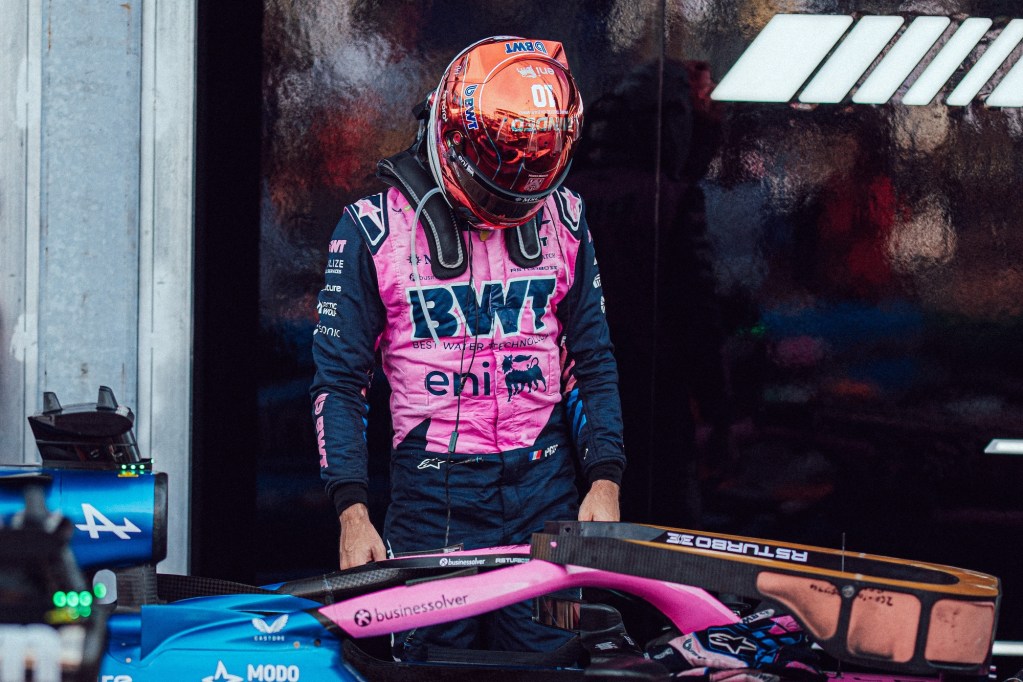
The FIA has confirmed the case will be heard on Thursday at 1pm CET, after Alpine formally requested a Right of Review (a process allowing a team to ask the stewards to revisit a decision if genuinely new evidence emerges). On Tuesday the governing body published two separate documents confirming two petitions, one for each five-second penalty handed to Gasly during the race. Both were for pitlane speeding, and the margins were vanishingly small: he exceeded the 60km/h limit by 0.1km/h and 0.4km/h.
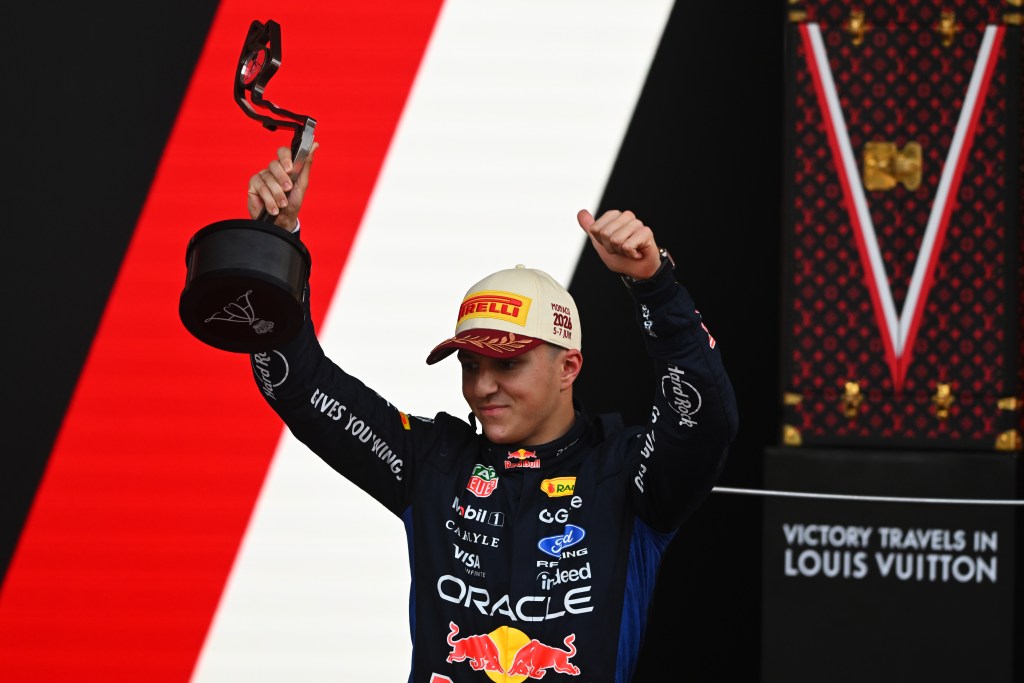
The cost was wildly out of proportion to the offense. The 10 seconds added to his race time dropped Gasly from third to seventh, promoting Isack Hadjar onto the podium and lifting Oscar Piastri, Liam Lawson and Arvid Lindblad. Because the fall was so steep, Alpine effectively needs both penalties overturned for Gasly to reclaim third, doubling the difficulty of an already difficult task.
That difficulty is the real story. Under Article 14 of the FIA International Sporting Code, Alpine’s first job is not to argue the penalties were wrong. It must convince the stewards a “significant and relevant new element” exists that was unavailable when the original decisions were made. The FIA documents make clear the hearing is split accordingly: only if Alpine clears that threshold in the first phase will the stewards move to a second stage and reconsider the penalties on their merits. What evidence Alpine intends to present remains unclear.
The penalties themselves grew from Monaco’s peculiar pitlane. Rather than reading instantaneous speed, the FIA calculates an average through the fast lane using transponders and timing loops embedded in the track surface. Drivers who took a tighter line through the curved pitlane covered less distance between the timing points and were recorded as too fast, despite travelling at the permitted speed. The quirk caught an unusually large number of drivers during the race, which is central to Alpine’s sense of injustice.
For Gasly the stakes are as emotional as they are sporting. He had climbed from ninth on the grid in what he described as one of the strongest drives of his Formula 1 career. Afterwards he said he had been “robbed”, and his fuller reaction laid the wound bare: “I don’t think there is anything that could hurt me more right now,” he said, adding that the result “can’t be taken away from us by unfair reasons.”

History offers Alpine little comfort. Right of Review requests rarely succeed precisely because teams struggle to produce evidence the stewards consider both new and relevant. The notable recent exception came last year, when Carlos Sainz’s penalty for a collision with Liam Lawson at Zandvoort was rescinded after Williams submitted onboard footage the stewards had not seen during the race. Alpine needs a breakthrough of that kind, and nobody outside the team yet knows whether it has one.
What is certain is that Gasly’s Monaco result is not yet final. On Thursday, a virtual room and a strict procedural test decide whether the podium he earned on the road becomes the podium he keeps, or whether seventh stands as one of the cruellest classifications of his career.
Thumbnail: TWJB Photography / BWT Alpine Formula One Team


