Newsletter Subscribe
Enter your email address below and subscribe to our newsletter
Verstappen’s race engineer will join as chief racing officer by 2028 in a move that goes beyond a standard transfer.
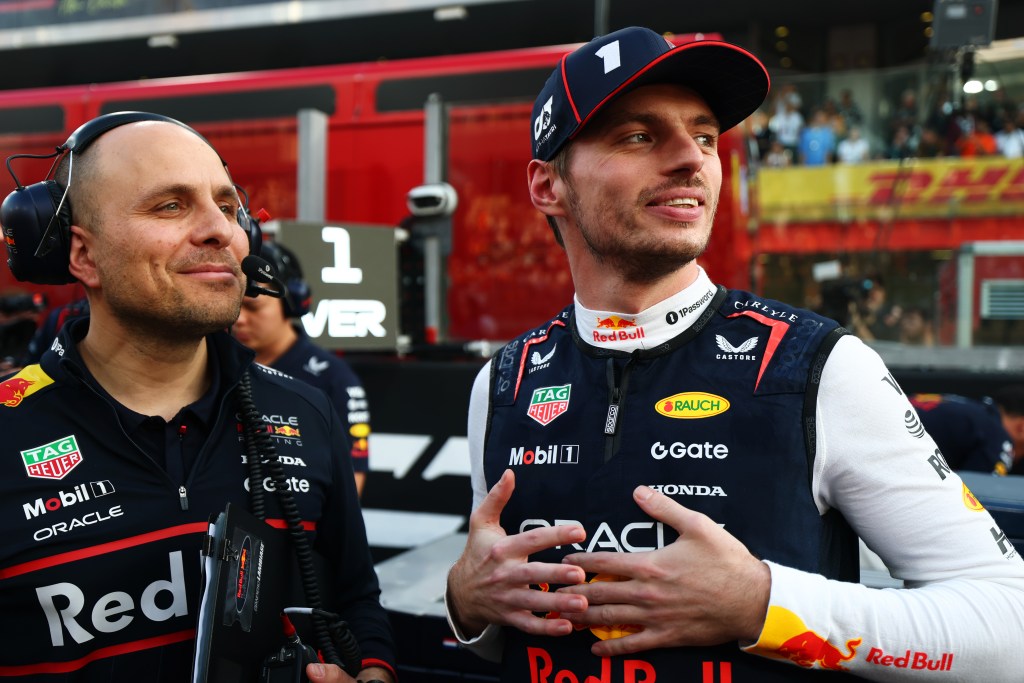
The confirmation is official and it reshapes Formula 1’s internal balance. Gianpiero Lambiase, Max Verstappen’s race engineer, will join McLaren as chief racing officer no later than 2028, reinforcing a growing reality in the paddock: talent acquisition is as critical as on-track performance.
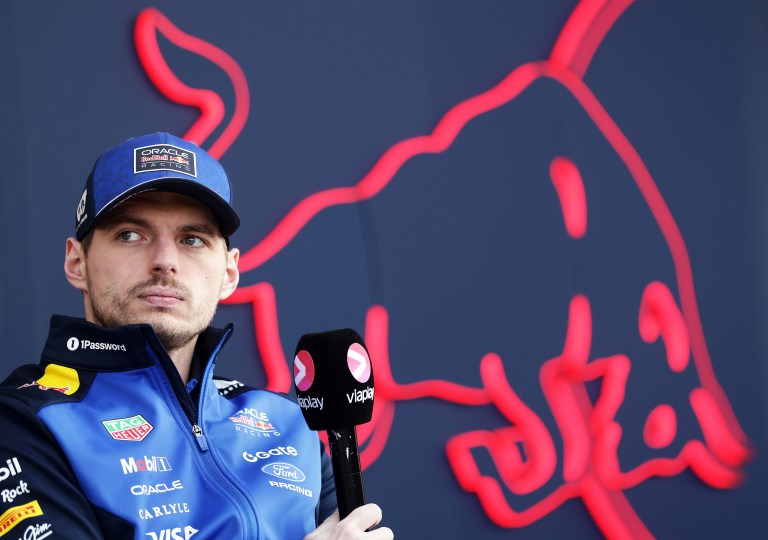
This is not a minor signing. Lambiase has been Verstappen’s race engineer since 2016 and has evolved into one of Red Bull’s most influential figures. Under his guidance, Red Bull built one of the most successful driver-engineer partnerships in modern F1, securing four world championships between 2021 and 2024.
His departure, long anticipated but now confirmed, will not be immediate. Red Bull stated that he will see out his current contract, which runs until 2028. McLaren, meanwhile, confirmed it expects to bring him in once that contract expires, creating a transition window that preserves current stability but signals long-term change.
The role he will take is far from symbolic. As chief racing officer, Lambiase will oversee the entire trackside operation, a responsibility currently handled by Andrea Stella alongside his duties as team principal. This structural adjustment allows McLaren to redistribute leadership focus and sharpen operational efficiency.
The move fits into a broader strategy. McLaren has made talent acquisition a core pillar of its competitive rebuild, previously recruiting key figures like Rob Marshall and Will Courtenay from Red Bull. This is not accumulation — it is structural planning.
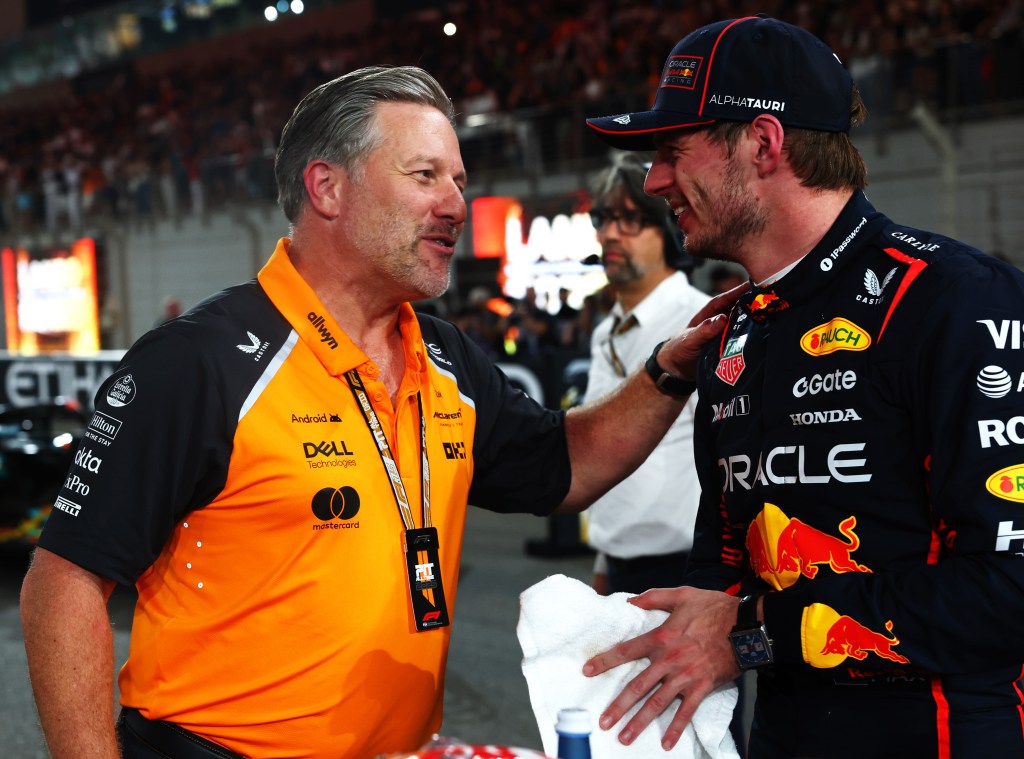
The internal message is clear. Under Zak Brown and Andrea Stella, McLaren is not just retaining talent, it is actively attracting it from top-performing rivals, reinforcing a culture built on stability, growth, and adaptability.
For Red Bull, the impact is delayed but significant. Losing Lambiase means losing a figure who combines technical expertise, operational leadership, and direct driver connection, a profile that is difficult to replace. While the team has navigated transitions before, this departure adds to a broader shift within its structure.
Modern Formula 1 is no longer defined solely by car performance. Off-track decisions are shaping the competitive future with equal intensity, and Lambiase’s move is a clear example.
In the short term, the impact is invisible. In the long term, it could be decisive.