Newsletter Subscribe
Enter your email address below and subscribe to our newsletter
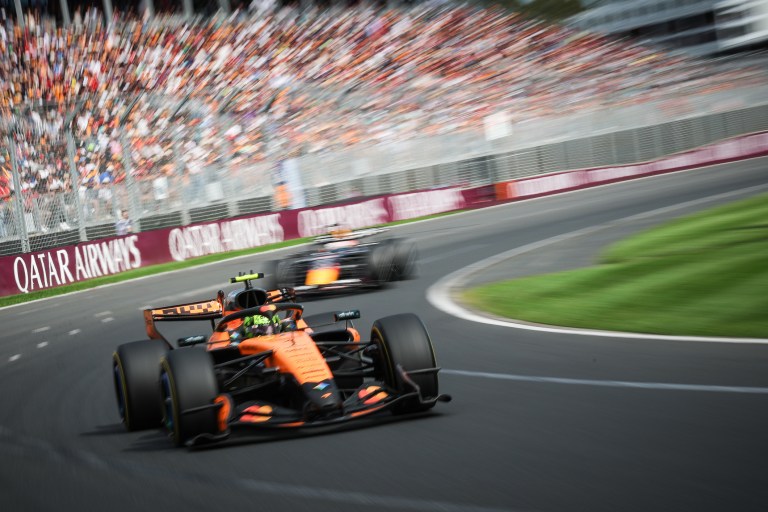
The move to McLaren signals a deeper structural shift in Formula 1’s competitive balance.
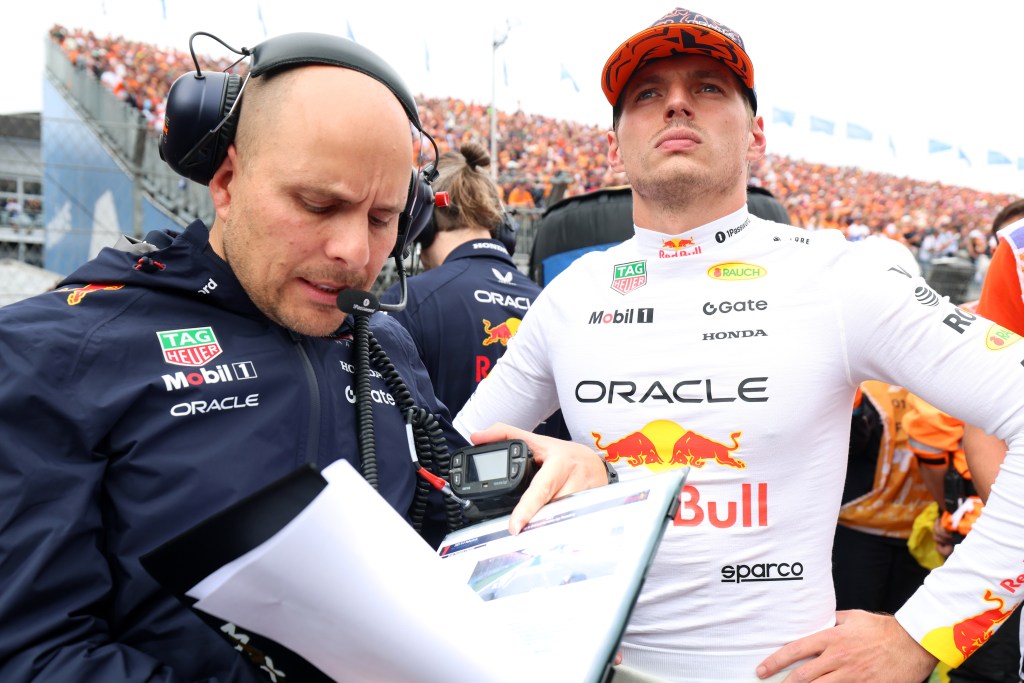
Formula 1 rarely sends clear signals mid-season, but Gianpiero Lambiase’s move from Red Bull to McLaren is one of them. This is not just a team switch. It’s a structural shift with direct impact across the paddock.
For years, Lambiase has been a central figure at Red Bull, not only as Max Verstappen’s race engineer but as a key operational leader. His role extends beyond race-day calls: he contributes to car development, data interpretation, and execution under pressure. His confirmed departure after 2027 marks the end of one of the most effective partnerships in modern F1.
“It was like an old married couple,” Helmut Marko admitted, underlining the depth of that connection. That relationship has been crucial to Verstappen’s consistency, particularly in high-pressure scenarios where communication defines outcomes.
From an external perspective, the move to McLaren is logical. The Woking-based team has established itself as a stable, high-performance environment, especially in-season development (the ability to upgrade the car efficiently during the season). Compared to less stable structures like Aston Martin or still-developing projects like Williams, McLaren offers the right platform for a profile like Lambiase.
But beyond logic, there is strategy. McLaren strengthens itself while weakening a direct rival. This is not an isolated move. Following the arrivals of Rob Marshall and Will Courtenay, Lambiase becomes another key acquisition in a long-term vision.

That vision is built on structure, not dependency. McLaren’s leadership model is designed to absorb change without losing performance. Lambiase fits that approach perfectly: a versatile operator capable of handling multiple responsibilities across the team.
For Red Bull, the situation is more complex. Replacing Lambiase is not about filling a role, but rebuilding a combination of functions that are difficult to replicate. While the team has shown resilience before, this departure adds pressure at a time when performance challenges are already present.
The ripple effect reaches Verstappen, though indirectly. While speculation links both futures, his decisions remain primarily tied to regulation direction. Still, losing a key figure in his operational environment introduces another variable.
Red Bull now faces a familiar but elevated challenge. This is not just another departure, it’s a structural test. And in Formula 1, those tests often define competitive cycles.
Thumbnail credits: Getty Images / Red Bull Content Pool