
Newsletter Subscribe
Enter your email address below and subscribe to our newsletter
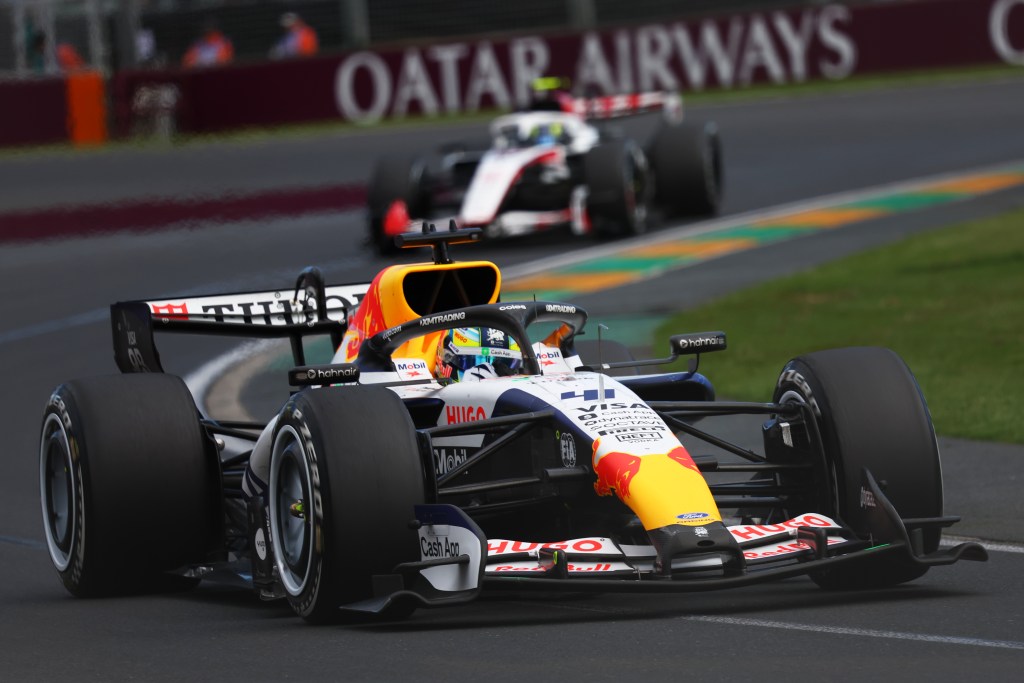
In a grid where six drivers made their debuts last year, Arvid Lindblad is the only rookie in 2026. He is 18 years old, three Grands Prix into his career, and already has the paddock paying attention: Q3 on his debut in Melbourne, points in his first race, and another top-ten qualifying appearance in Japan. The British Racing Bulls driver did not arrive in Formula 1 to survive. He arrived to learn fast and so far, he is doing exactly that.

Lindblad came in with no inflated expectations and a clear head. “Coming in as a rookie, I was mainly focused on myself. I didn’t have that much experience with the previous generation of cars, and these cars are very different to what I was used to. Expectations-wise, I didn’t really come in with many, I was just trying to focus on myself and do the best I could.” What followed exceeded any reasonable forecast.
Melbourne was the moment that changed everything. Lindblad qualified directly into Q3 — the final phase of qualifying where the ten fastest drivers on the grid compete — on his very first attempt, started ninth and finished eighth, becoming the third-youngest points scorer in Formula 1 history and Britain’s youngest ever. “The whole weekend was very special for me. I’d been working towards getting to F1 my whole life, so my debut was always going to be a special moment. I had my parents there, I think it was the first time in seven or eight years that I had both of them at a race. I couldn’t even have dreamed of it.”
China was harder. Technical issues and spins at a track he had never visited before left him without the result he was chasing. Japan, however, delivered another confidence boost: Q3 at Suzuka, one of the most technically demanding circuits on the calendar, with zero prior experience of it. Team principal Alan Permane, a veteran with decades in Formula 1, made no attempt to hide his admiration. “Suzuka, a track he’d never been to, to put it into Q3 — I thought it was a stunning lap.”
What Lindblad is discovering in his first season goes beyond raw pace. The step from F2 to F1 — the category immediately below the pinnacle of motorsport — is, in his own words, primarily a mental challenge. “The step from F2 to F1, especially on a mental capacity side, is quite big. There are so many things you can manage and control within the car. You can change the balance, there are many more tools available, and this year with the new regulations there’s even more of that through the power unit.” The 2026 technical regulations introduced an entirely new hybrid system with a significantly greater role for electrical energy, adding a layer of complexity that even the most experienced drivers are still working to master.
Permane, who worked with major names during his years at Benetton, Renault and Alpine, was direct about what matters most in a young driver. “The obvious one is speed, because without that everything’s irrelevant. And the pace is there. He’s also a great example of a driver who will look at himself before anything else: ‘What can I do better?’ If he makes a mistake, he gets very cross with himself — I’m trying to stop him from doing that and just focusing on the good things.” And he added something rarely heard about a rookie after just three races: “I think he’s been doing everything we could have expected and more.”
The question F1 can’t ignore is not whether Lindblad has the speed. That is already answered. The question is how long before he becomes something more than a pleasant surprise.
Thumbnail credits: Getty Images / Red Bull Content Pool


