
Newsletter Subscribe
Enter your email address below and subscribe to our newsletter
Four world titles in four years built the template. Now Red Bull is making the structural moves to rebuild it.
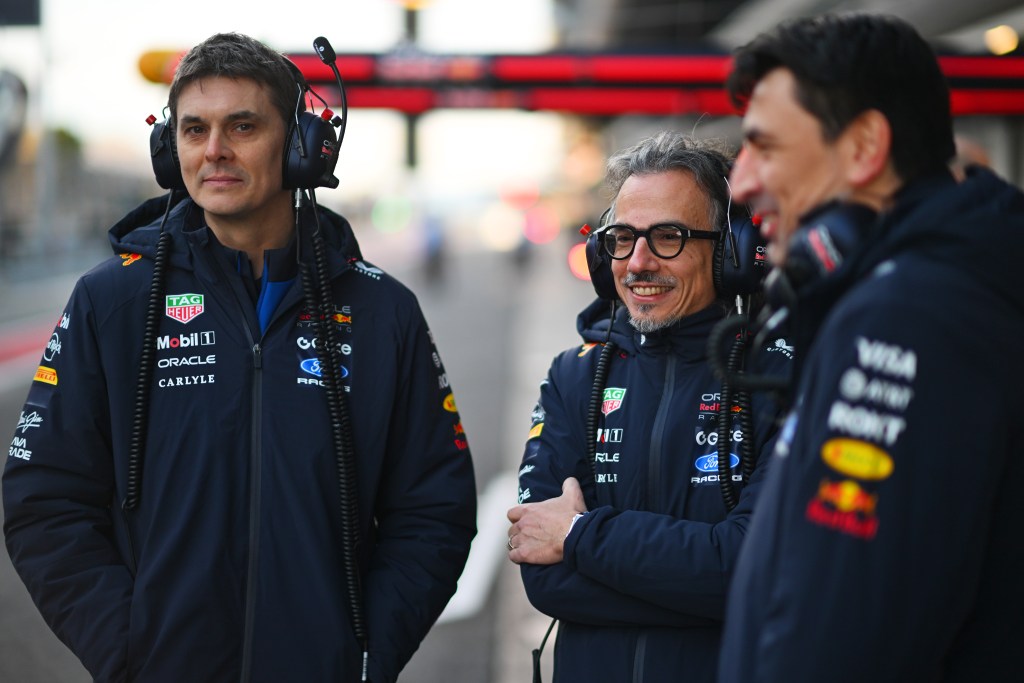
Red Bull Racing has restructured its technical department during Formula 1’s enforced April break, making a series of targeted organizational changes that signal a clear-eyed response to a difficult start to the 2026 season. The team has promoted from within and brought in a senior figure from sister team Racing Bulls, reinforcing a leadership structure it believes can accelerate its return to competitiveness.
Ben Waterhouse moves up from head of performance engineering to the newly created role of chief performance and design engineer, assuming responsibility for design and vehicle performance across the operation. Reporting to him will be a significant new addition to the group: Andrea Landi, who joins Red Bull Racing as head of performance.
Landi arrives from Racing Bulls, where he served as deputy technical director with responsibility for car design. He stepped into that position in early 2025 following the departure of Jody Egginton, and played a central role in shaping the Racing Bulls 2026 challenger, a car that has performed credibly in the new regulations era. Technical director Pierre Wache remains in his position, with the changes designed to strengthen the layer of technical leadership around him.

The reshuffle reflects the kind of decisive, self-aware action that has historically defined Red Bull’s culture at its best. After four consecutive drivers’ championships with Max Verstappen from 2021 through 2024, a period that also saw the team dominate the constructors’ standings, the 2025 season proved to be a reset year as the regulations cycle matured and McLaren found a significant performance advantage. The new 2026 rules era has presented fresh challenges, with both Verstappen and new signing Isack Hadjar providing frank assessments of where the current car needs to improve.
One area requiring no such discussion is Red Bull’s first in-house power unit (an engine designed and manufactured entirely within the Red Bull Powertrains facility, rather than supplied by an external partner). The engine has drawn genuine admiration from rival teams for the speed and quality of its development, widely regarded as a remarkable achievement for a program of its age. The April break gives the aerodynamic side of the operation time to catch up, with the team working through upgrades targeting improved downforce (the aerodynamic force pressing the car onto the circuit surface to increase grip and cornering speed) and reduced weight.
Landi’s appointment is also a demonstration of one of the most valuable structural advantages Red Bull’s dual-team ownership provides. Moving a senior technical figure between Racing Bulls and Red Bull Racing requires no gardening leave, no protracted negotiation, and no departure from the wider Red Bull technical ecosystem. It is an in-house transaction with first-team consequences, and it reflects the genuine depth of talent that exists across the two operations.
Red Bull built its dynasty through a willingness to make hard calls quickly and back its engineering structure to deliver. This reshuffle follows that same logic. The team that rewrote the record books is not waiting to see what happens next. It is already building the version of itself that intends to be back at the front.
Thumbnail credits: Getty Images / Red Bull Content Pool


