Newsletter Subscribe
Enter your email address below and subscribe to our newsletter

The third and final day of the opening pre-season test in Bahrain confirmed one clear trend: teams are prioritizing mileage, correlation, and mechanical understanding over outright lap times. It is still too early to define a competitive hierarchy, but the accumulated data offers meaningful clues ahead of next week’s final test and the season opener in Australia.
Aston Martin endured another challenging session. After two days marked by minor issues and limited performance, Friday brought little structural relief. Lance Stroll completed 72 laps, roughly one third of the team’s total mileage for the test, a figure well below rivals who exceeded 150 laps on the same day. Team representatives acknowledged they are “behind schedule”, admitting there is still performance to unlock within the AMR26 package.
The 2026 concept requires full integration between chassis and new power unit from the ground up, and when the car fails to remain inside its operating window (optimal performance range where tires and aerodynamics work in balance), data collection becomes more limited. The team will now analyze the 202 total laps completed before returning to the same venue for the second test.
Ferrari, meanwhile, closed the session with a productive day. Lewis Hamilton logged 150 laps in the SF-26, running multiple configurations and tire compounds. The team began with a baseline specification and gradually introduced new components, focusing on understanding the car under varying fuel loads and setups.
Hamilton noted the car has felt encouraging overall, while emphasizing the complexity of this generation, particularly managing the tire operating window (temperature and pressure range where the compound delivers peak performance). Ferrari is expected to introduce a substantial upgrade package for next week, corresponding to their race-one specification, suggesting their full potential has not yet been revealed.
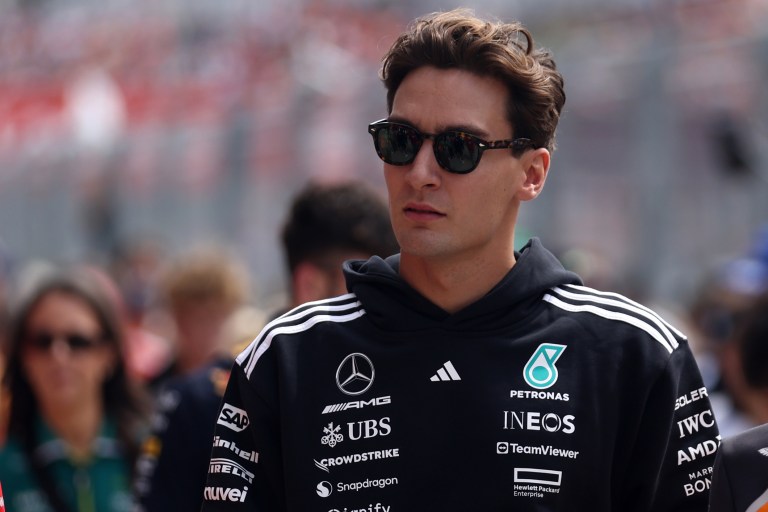
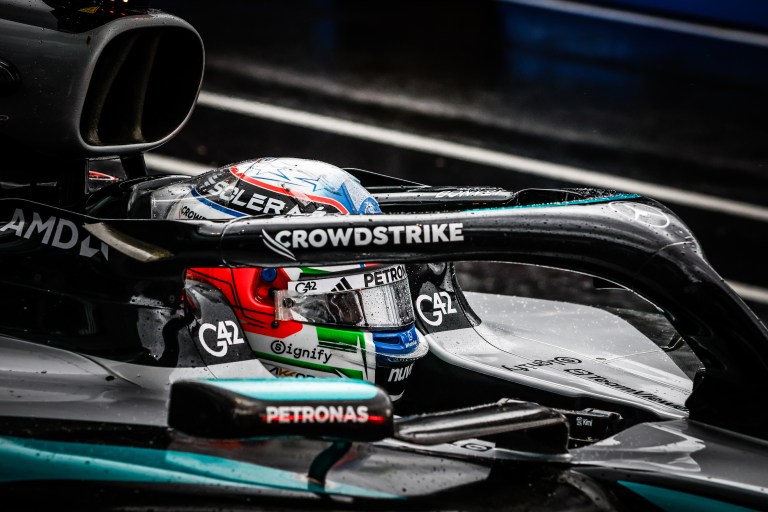
Mercedes also rebounded after two reliability-disrupted days. Friday included low-fuel runs simulating qualifying and high-fuel stints replicating race conditions, with George Russell completing a full race distance simulation. Kimi Antonelli finally secured meaningful track time, doubling his previous mileage and setting the fastest lap of the day, though he ran out of time to complete a full race simulation.
The team admitted Bahrain’s heat has made it harder to keep the car in a “happy window,” meaning a stable balance between aerodynamic load and mechanical grip. Even so, Mercedes remain one of the more impressive operations at this early stage, while internally acknowledging there is still work required to close the gap to key rivals.
Red Bull continue to command respect across the paddock. Both Ferrari and Mercedes have pointed to them as early reference points, particularly due to the performance of their new power unit, developed within a department established just three and a half years ago. On Friday, they completed 120 laps without reliability issues, reinforcing perceptions of technical solidity.
Despite that, the team remains cautious. Set-up work helped define a promising direction in terms of balance, but they admit further refinement is needed to extract maximum performance across varying conditions.
With the second test imminent and Australia fast approaching, Day 3 delivered one clear takeaway: there is no confirmed pecking order yet, but the technical signals shaping the 2026 competitive landscape are beginning to emerge.
Thumbnail credit: © Spas Genev | Dreamstime.com