Newsletter Subscribe
Enter your email address below and subscribe to our newsletter

Formula 1 returns from winter break with a question that extends beyond Sunday’s result: how fundamentally will the 2026 reset reshape racing? Melbourne becomes the first true competitive laboratory, where lighter cars, reduced downforce and a rebalanced split between electrical and combustion power converge under race conditions.
Albert Park hosts Round 1 of the 2026 World Championship, in a traditional Grand Prix format without a Sprint. The race begins at 04:00 GMT, but timing is secondary to structural uncertainty. Among the key variables is the removal of DRS (Drag Reduction System, the rear-wing opening device that reduced aerodynamic drag for overtaking), replaced by active aerodynamics and a Manual Override (an additional electrical boost deployable by a driver when running close behind a rival) that can be used anywhere on the lap.
Strategic implications are significant. Per-lap energy recovery is capped, forcing more pronounced lift and coast (lifting off the throttle before braking to conserve energy) techniques, particularly at a circuit like Melbourne with limited heavy braking zones. As a result, the fastest car over one lap may not necessarily be the most effective in sustained wheel-to-wheel combat.
Within that framework, Lando Norris begins the defence of his maiden world title, historically a complex challenge — especially amid sweeping regulatory change. McLaren arrives as reigning champions, yet testing suggests the advantage margin seen in 2025 may have narrowed considerably.
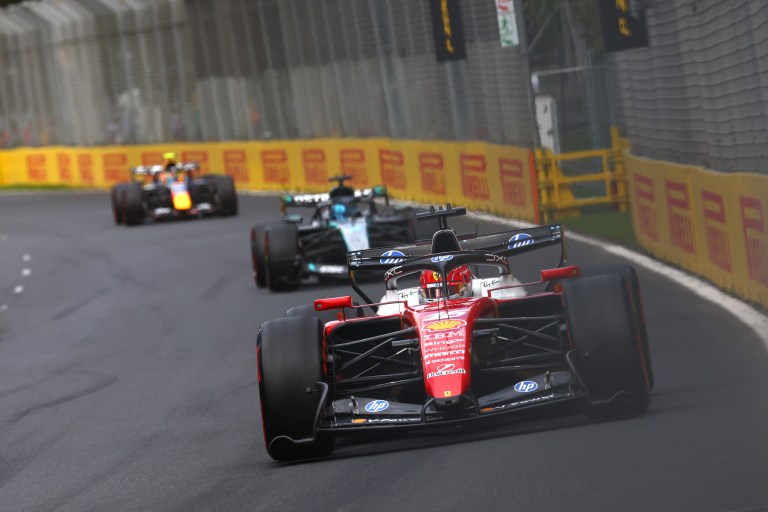
Ferrari left Bahrain showing strong underlying pace, highlighted by a late test lap that hinted at untapped performance. The team also experimented with an inverted rear wing concept, an aerodynamic interpretation that could prove decisive if it delivers consistent load characteristics.
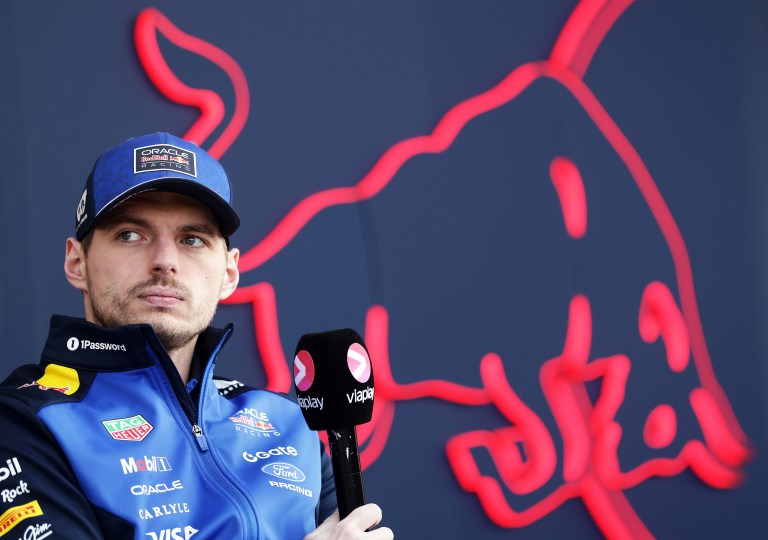
Mercedes emphasized mileage and correlation, placing both cars consistently near the top while logging substantial lap counts. Red Bull enters as the wildcard. Max Verstappen’s aggressive downshifting style has drawn scrutiny regarding how effectively it integrates with the new energy harvesting constraints.
Ultimately, lap times alone will not define the weekend. How closely can cars follow without DRS? How influential will energy deployment be in real battles? Which interpretations of the rules create structural advantages? The Australian Grand Prix does more than open a season, it initiates a competitive cycle whose direction begins to reveal itself in Melbourne.
Thumbnail credits: © Filedimage | Dreamstime.com