Newsletter Subscribe
Enter your email address below and subscribe to our newsletter

A regulation debate that began behind closed doors has surfaced in the Monaco paddock. The driver who put it there does not work for the team that has the most to lose.
Nico Hulkenberg has publicly broken with Audi over the proposed 2027 power unit changes that would shift the internal combustion engine and electrical power split from the current 50/50 to a 60/40 emphasis on combustion, speaking to GPblog during Monaco Grand Prix media day. The German, who races for the manufacturer whose entire Formula 1 program has been built around the current 50/50 architecture, said he is “open to” the change his own team is understood to be opposing. The remark, delivered carefully but unambiguously on the central point, has sharpened the most politically charged technical debate in Formula 1 right now.
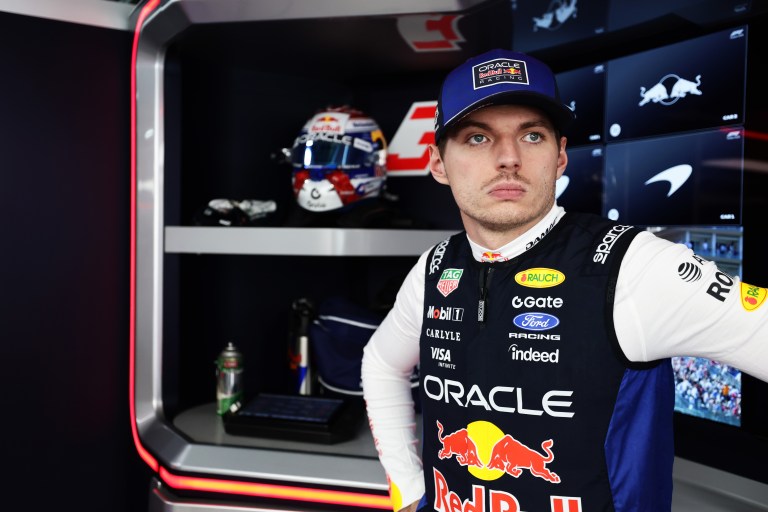
The context behind Hulkenberg’s comments is the structural fault line that has defined the 2026 power unit regulations from the moment they were drafted. The current rules introduced a near-equal split between the internal combustion engine and the electrical component, a shift that has produced criticism from drivers who argue it places too great a premium on energy management at the expense of raw racing. Max Verstappen has been the most public critic, describing the championship as an “electric racing series on steroids” and arguing that the regulations punish faster drivers. He has been actively pushing for the 60/40 change since the start of the season. The FIA and Formula 1 Management are now reportedly attempting to push the regulation shift through for approval at the Spanish Grand Prix the weekend after Monaco.
Audi’s opposition is foundational rather than tactical. The manufacturer entered Formula 1 specifically because the 2026 regulations placed unprecedented emphasis on electrical power and sustainable fuels. According to multiple paddock sources, Audi’s corporate board explicitly required a heavy emphasis on sustainable e-fuels and the 50/50 ICE-electric split as a precondition for the Sauber acquisition and the brand’s full works entry. Audi CEO Gernot Döllner publicly tied the company’s Formula 1 presence to “the far-reaching changes to the technical regulations” when the project was first announced. Changing the rules now, in Audi’s view, removes the strategic rationale on which the entire program was built.
The competitive picture sharpens the argument. Audi has failed to score points in the last three rounds and the R26’s power unit has been widely identified as the team’s chief deficit. Both Hulkenberg and teammate Gabriel Bortoleto have publicly described the engine as where the team can gain the most performance. Bortoleto was disqualified from the Miami Sprint for an engine intake pressure breach, and Hulkenberg failed to start that race entirely due to a mechanical failure. The team has acknowledged that no short-term fix exists, with team principal Mattia Binotto publicly framing 2026 as a “foundation year” and stating Audi does not expect to be at the same level as the top teams in 2027.
The deeper context behind the standoff is the FIA’s growing internal panic about the on-track product. The Bahrain meeting Audi attended last year explicitly raised the prospect of last-minute changes to the 2026 regulations to improve racing, before the rules even came into force. Several manufacturers were already simulating extreme difficulties with the 50/50 split. The pre-Miami adjustments to energy harvesting limits were one outcome. The proposed 2027 shift is a more fundamental intervention, and Audi’s veto power in the manufacturer voting structure is the principal obstacle to it being implemented.
What Hulkenberg’s comments have done is bring the internal disagreement into public view. “It’s not about what I want, it’s about what happens,” he said, before making clear that he personally sees the case for the change. The Audi position on paper remains opposition. The position of its lead driver, on the record, is now open support for the shift Verstappen is pushing. That gap between team and driver is rare in Formula 1 and difficult to maintain quietly. The FIA wants approval at the Spanish Grand Prix. Audi wants the rules unchanged. Verstappen, somewhere in the middle, has just gained a public ally inside the company most resistant to his preferred outcome. The civil war over 2027 has stopped being hypothetical.
Thumbnail: Getty Images / Red Bull Content Pool