Newsletter Subscribe
Enter your email address below and subscribe to our newsletter

James Allison has traced the season’s painful retirements to the battery, and a redesigned “module” is on the way, but the team has put no date on the cure.
For weeks Mercedes could only call their failures a mystery. This week they gave the problem a name, and quietly turned a reliability crisis into a deadline.
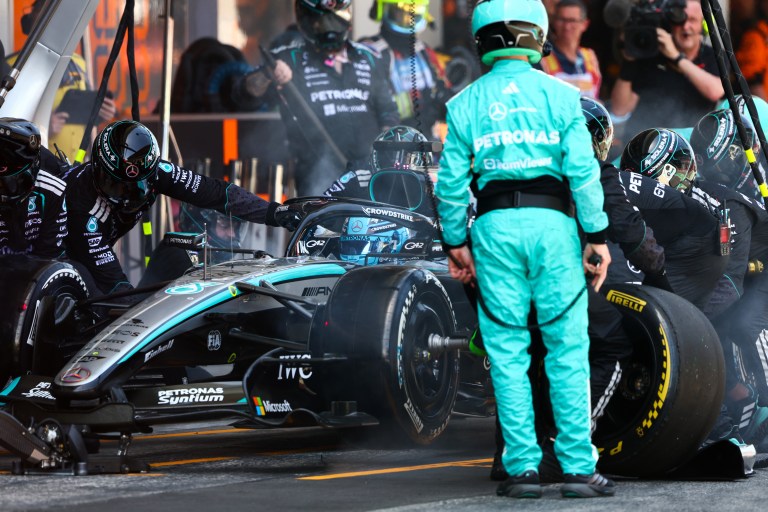
After Barcelona, Toto Wolff could promise little more than to dig for answers. Days later, technical director James Allison said the team had found the common thread. The faults that ended George Russell’s Canadian Grand Prix and Kimi Antonelli’s race in Spain were not identical, he explained, but they “originate in the same broad part of the battery,” the component Mercedes internally calls “the module.”
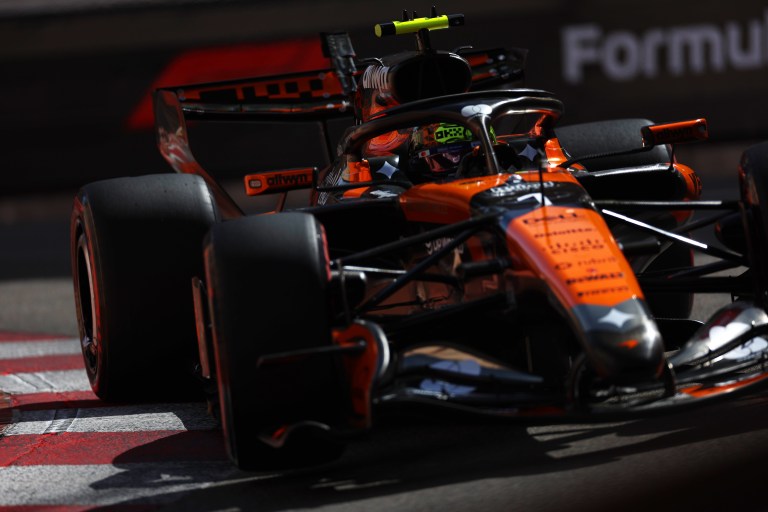
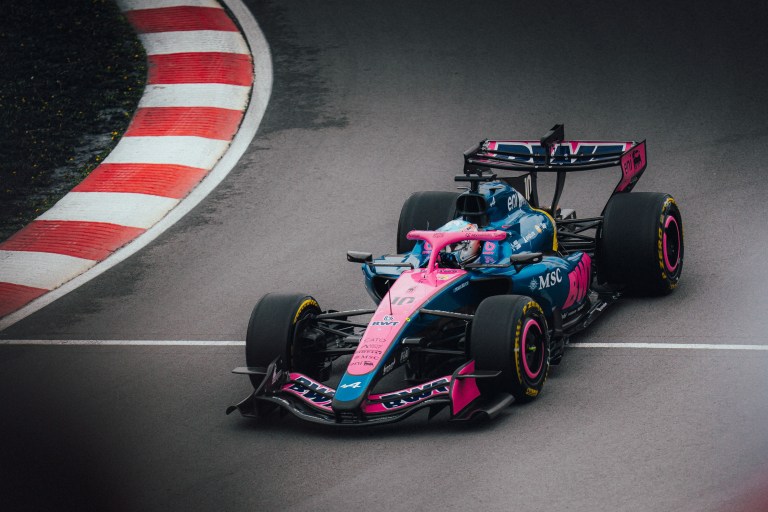
That distinction matters, because the module is not only a works-team headache. Mercedes is the grid’s biggest engine supplier, also powering McLaren, Alpine and Williams, and the customer cars have suffered too, McLaren most of all, with both its drivers failing to start in China and Lando Norris retiring at Monaco. A weakness in the module is a weakness across the whole Mercedes fleet, which is why getting it right reaches far beyond Brackley.
The fix is coming, but slowly. Allison said most of the areas of risk are now understood and that redesigned modules will be phased into the season, after which the team’s fortunes should improve. What he pointedly did not give was a date. Mercedes now faces four races in five weeks beginning in Austria, and there is no guarantee the definitive cure is ready for all of them.
Underneath that sits an honest trade-off. Allison was candid that a DNF (a did-not-finish) is a failure of the team’s own process, and that the first response is conservative: run the vulnerable part more gently to buy it some resilience while a separate group engineers the fault out for good. Translated, it means Mercedes may deliberately turn its engines down a fraction in the coming weeks, sacrificing a little lap time to be sure of reaching the flag. That is the quiet price of a fix that has not yet arrived, and Allison did not dress it up, calling the retirements “very, very painful.”
He framed the wider battle just as plainly. These are very young rules, Mercedes launched with a head start, and a strong upgrade is now worth roughly as much as that early advantage was. If a rival brings a package Mercedes fails to answer, the gap shrinks, which is precisely what Ferrari demonstrated in Barcelona. Reliability, in other words, is only half the fight. The other half is keeping the rate of car development steep enough to stay ahead.
The standings still favour the champions. Antonelli leads on 156 points, with Hamilton second on 115 and Russell third on 106, and Mercedes hold a 72-point cushion in the constructors’. But those margins are slimmer than they should be, eroded by roughly 43 points of failures, and a clean run with a healthy module could quickly turn the title race back into a procession. Another retirement or two, and Hamilton’s revival has a door left open.
Diagnosis, though, is the easy part. Mercedes now knows the enemy and has a plan, but a plan is not a cure, and Austria is the first place the new caution gets tested in anger. If the module behaves, the Silver Arrows go back to simply managing a lead. If it does not, the most dominant team of the year will keep gifting its rivals the one thing neither speed nor money can buy back: finishes.
Thumbnail: By courtesy of Pirelli