Newsletter Subscribe
Enter your email address below and subscribe to our newsletter
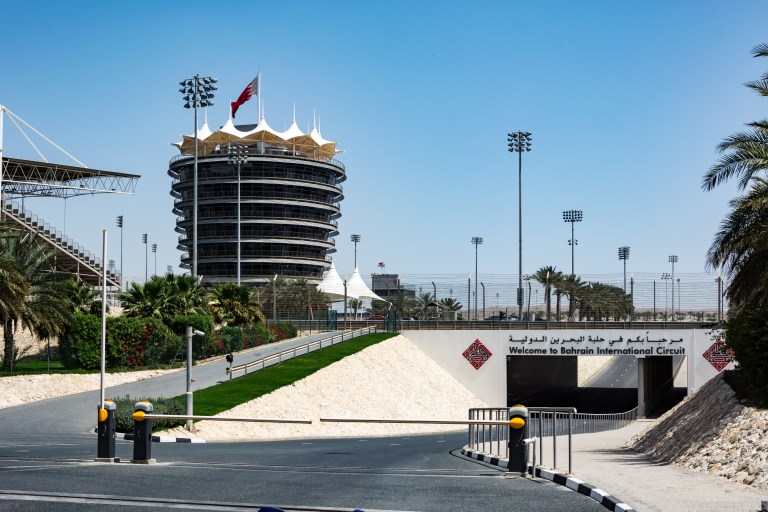
As the paddock reconvenes at the Bahrain International Circuit for the first serious mileage of the year, pre-season testing in Formula 1 becomes its own language. Lap times only tell part of the story. The real narrative unfolds in coded phrases, technical jargon and strategic whispers that define the mood ahead of the 2026 campaign.
From teams chasing correlation data to drivers experimenting with balance shifts, testing is less about headlines and more about interpretation. Here are the key terms that will dominate conversations in the Bahrain paddock, and what they actually mean.
Perhaps the most overused word of testing week. Sandbagging refers to a team deliberately running below its true performance potential — often with higher fuel loads, conservative engine modes or cautious run plans — to disguise outright pace. It’s a psychological game as much as a strategic one.
The invisible battle behind every lap. Correlation measures how closely real-world track data matches simulator and wind tunnel predictions. If a car “correlates well,” it means winter development tools were accurate — a major confidence boost before the season begins.
Single-lap pace may grab social media attention, but long runs reveal consistency, tyre degradation patterns and race simulations. Teams quietly prioritize these stints to evaluate how the car behaves over extended distances.
Short for flow visualization paint, this fluorescent substance is applied to aerodynamic surfaces to analyze airflow patterns. When you see neon streaks on a front wing or sidepod, it’s not decoration — it’s data collection in motion.
A metal frame covered in sensors fitted behind the car to measure airflow characteristics. It may look bulky and unglamorous, but it provides teams with critical aerodynamic mapping information during early runs.
Lap times during testing are almost meaningless without context. A car running light fuel will appear dramatically quicker than one simulating race conditions. Without knowing fuel levels, comparisons remain speculative at best.
The first cautious lap of a new car’s track debut. Systems checks, radio confirmation and baseline readings matter more than speed. It’s a quiet but symbolic moment: months of design finally meeting asphalt.
In testing, nothing is ever quite what it seems. What looks dominant may be conservative. What looks average may be strategic. And as the 2026 season approaches, understanding the language of testing becomes just as important as watching the timing screens.
Thumbnail credit: © Filedimage | Dreamstime.com