Newsletter Subscribe
Enter your email address below and subscribe to our newsletter
Charles Leclerc’s podium in Japan was not won under braking or at the pit wall. It was won on an energy chessboard that Ferrari read better than Mercedes when it mattered most. The Monegasque finished third at Suzuka, repelling every attack from George Russell in the closing laps — not because he had the faster car, but because he had the sharper energy strategy of the afternoon.
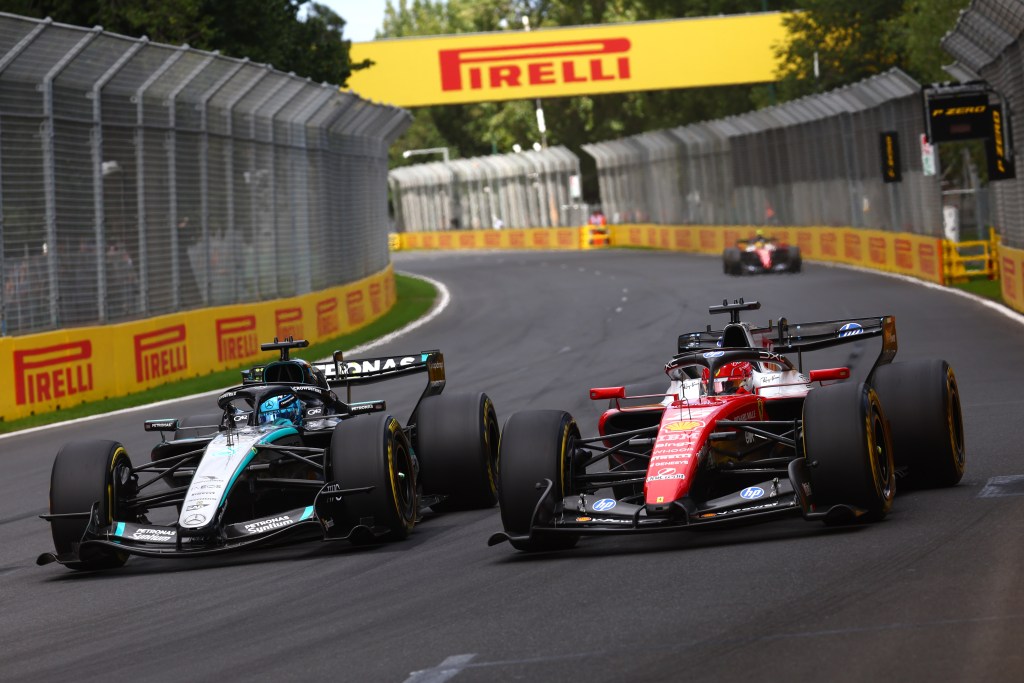
Suzuka has always punished positional errors. Under the previous regulations, DRS (the drag reduction system that opens the rear wing on straights to increase top speed) was the primary attacking tool. In 2026, that dynamic shifted fundamentally: the overtaking mode combined with the electric boost — the battery’s maximum deployment for acceleration — can generate speed differentials of nearly 25 mph, turning energy management into a discipline applied directly to race strategy.
The problem is that energy is finite. And at Suzuka, with three consecutive straights, every decision about when to spend and when to save carries consequences that ripple across multiple laps. This is where Ferrari found its edge. While Mercedes tended to maximize deployment between the Spoon curve and the final chicane — the highest-speed section of the circuit — Leclerc and Ferrari ran a different pattern: deploy more energy out of the hairpin toward Spoon, enter super-clipping (the automatic power reduction that prioritizes battery recharging) earlier than Mercedes, and recover enough energy to defend on the following straight.
The result was a calculated yo-yo effect: Ferrari built a small gap at the start of the straight, forced Mercedes to spend more energy in the second half to close it, and arrived at the next defensive zone with more battery in reserve. Russell attacked, but every attack cost him more than it cost Leclerc to hold position.
There was one moment — lap 50 — when Russell did get past Leclerc at the final chicane, catching the Ferrari mid super-clipping. The move was completed, but the 2026 regulations carry a specific constraint: once a driver returns to the throttle in overtaking mode, deployment continues automatically, limiting the ability to modulate the boost. That left Russell exposed on the following straight without sufficient battery to defend, and Leclerc reclaimed the position with relative ease.
Antonelli captured the difficulty from Mercedes’ side: “It was quite difficult to get by when I was behind Charles because we obviously had two completely different deployments and it was just hard to find the right place to overtake.” Ferrari team principal Frédéric Vasseur understood exactly what the result represented: “It was a very, very strong drive from Charles at the end with Russell. It was important for us to keep Mercedes behind.”
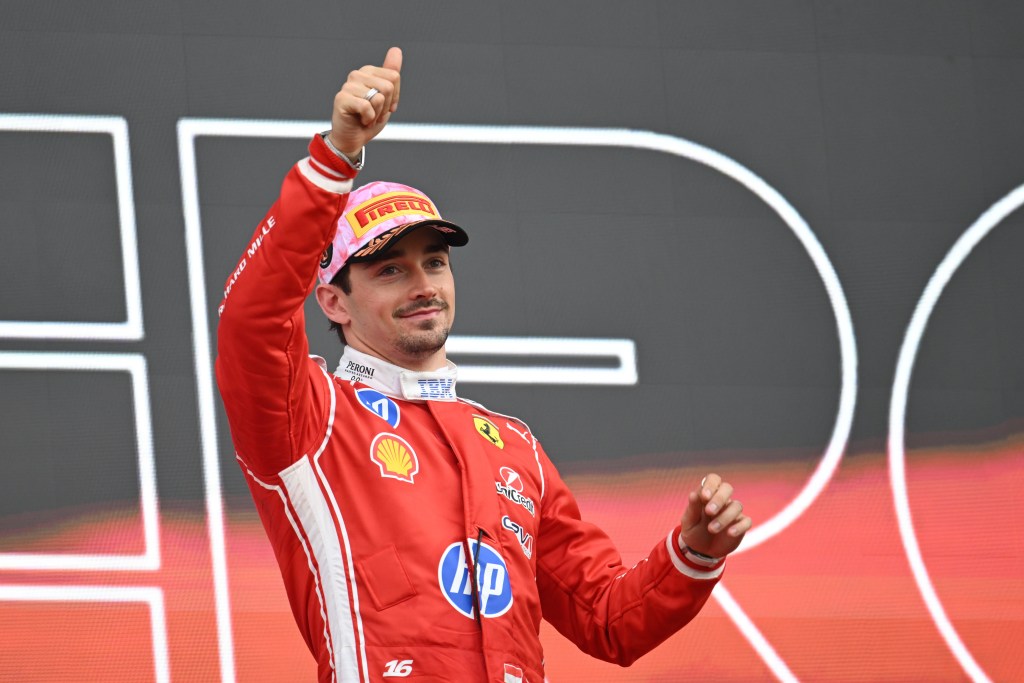
Leclerc had said it in China: to beat Mercedes, you have to match them blow for blow, because in clear air the W17 holds a tangible advantage once tyre management enters the equation. In Japan, he did not just repeat the statement — he proved it with data. The podium belonged to Ferrari. The lesson belonged to everyone.
Thumbnail credit: By courtesy of Pirelli